In Attica, beyond the major mountain massifs enclosing the basin, numerous lower elevations also offer climbing opportunities; here, Athenian climbers have equipped small crags, primarily as sport climbing crags.
Aside from Attica’s major mountains, Parnitha, Penteli, Imittos, Geraneia, Kithairon and Pateras, all of which merit special mention, there is a landscape of “Lesser Attica” comprising dozens of lower peaks and hills, such as Aigaleo, Poikilo, Pastra, Merenta, Mavrinora, Charvati, Olympos and others.
We borrow the term “Lesser Attica” from topoguide.gr, specifically from the digital hiking and exploration guide titled “The small mountains of Attica” posted on their website.
Several climbing crags have been established on these heights; they are easily accessible and offer conditions suitable for climbing year-round. Some of these crags include Agia Marina, Daskaleio, Kakia Thalassa, Petalouda and Chaos.
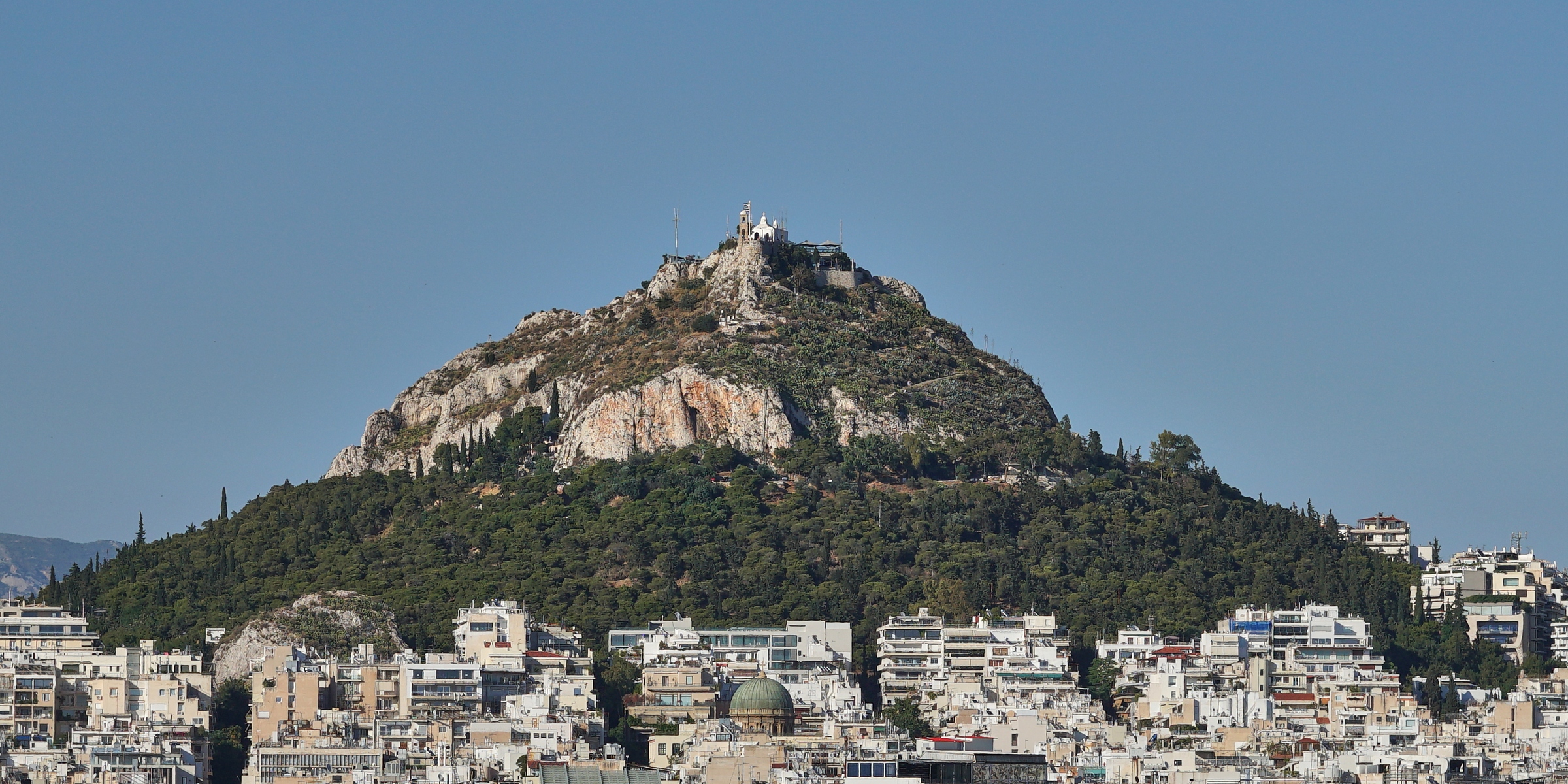
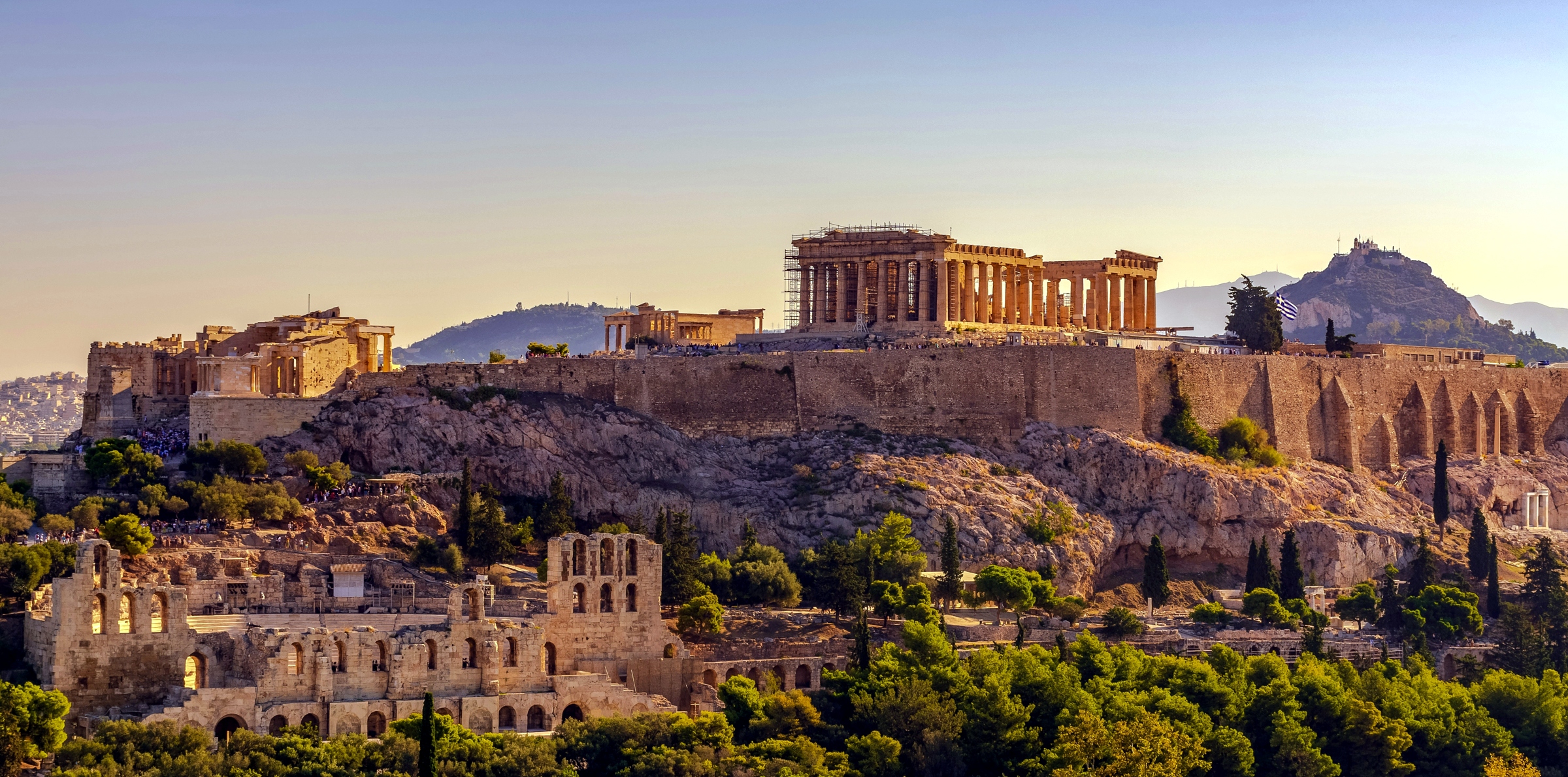
Within Attica’s urban areas, many climbing crags once used by Athenian clubs have fallen out of use due to abandonment or official prohibitions. A few decades ago, there were even climbing routes on the Sacred Rock of the Acropolis itself. Especially during the 1950s, 1960s and 1970s, Athenian climbers used the rocks beneath the Acropolis walls, primarily on the north and northeast sides, near Anafiotika, for training. However, towards the end of the 1970s, the Archaeological Service banned all activity on these rocks to protect the monument. Climbers then discovered Philopappos Hill and the rocks of Lycabettus, though ultimately, these areas too did not escape the Archaeological Service's restrictions and prohibitions.